Tuya AI Robot Review: Smart Life Educational Droid

Tactical Overview
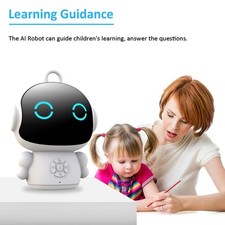
The Tuya Smart Life AI Voice Recognition Robot for Kids offers a compelling, safe, and engaging learning experience, leveraging AI for interactive storytelling and language acquisition, controlled via a user-friendly app.



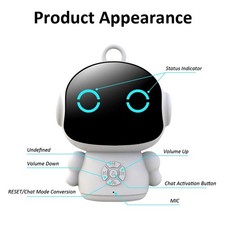

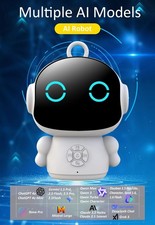

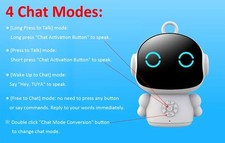
Technical Specifications
| Connectivity | Tuya Smart Life App (Wi-Fi 2.4GHz) |
The Tuya Smart Life AI Voice Recognition Robot for Kids presents a promising platform for interactive learning and entertainment. Its robust design, coupled with its AI-driven features, offers a compelling experience for children. However, the reliance on Wi-Fi and battery limitations should be considered.
Engineering & Performance Analysis
The robot’s core functionality hinges on its dual-core AI speech chip, likely incorporating a combination of Natural Language Processing (NLP) and Automatic Speech Recognition (ASR) engines. This architecture enables real-time interaction and personalized responses, crucial for the advertised AI chat and learning features. The 2.4GHz Wi-Fi connectivity facilitates communication with the Tuya Smart Life app, allowing for remote control, content updates, and potentially data analytics on user interaction. The choice of shatter-resistant, eco-friendly ABS plastic is a practical design decision, prioritizing safety and durability for a child-focused product. The 1200mAh battery provides a reasonable balance between operational time and device size, though battery life will depend on usage patterns.
The integration of a 3W protected speaker suggests a focus on audio clarity and volume, essential for clear speech and engaging storytelling. The touch-sensitive controls offer an alternative interaction method, complementing voice commands and providing a more tactile user experience. The remote voice messaging feature, enabled by the app, adds a layer of parental control and communication, enhancing the robot’s utility beyond basic educational functions. The choice of the Tuya Smart Life ecosystem suggests potential for integration with other smart home devices, expanding the robot’s capabilities in the future.
The system’s performance will be heavily reliant on the quality of the AI models and the robustness of the Wi-Fi connection. The effectiveness of the English learning features will depend on the vocabulary, grammar, and pronunciation accuracy of the AI. The longevity of the device will depend on the battery’s lifespan and the durability of the ABS enclosure. The software updates and content refresh will be critical to keep the product engaging and relevant.
Tactical Use Cases
1. Interactive
✅ Core Strengths
- ✔️ Durable build for child safety | Dual
- ✔️ core AI for responsive interaction | User
- ✔️ friendly touch and voice controls | Remote messaging for parental connection | WiFi connectivity for content updates | High fidelity audio output.
⚠️ Considerations
- ❌ Limited battery capacity | Reliance on Wi
- Fi stability | AI accuracy dependent on data.
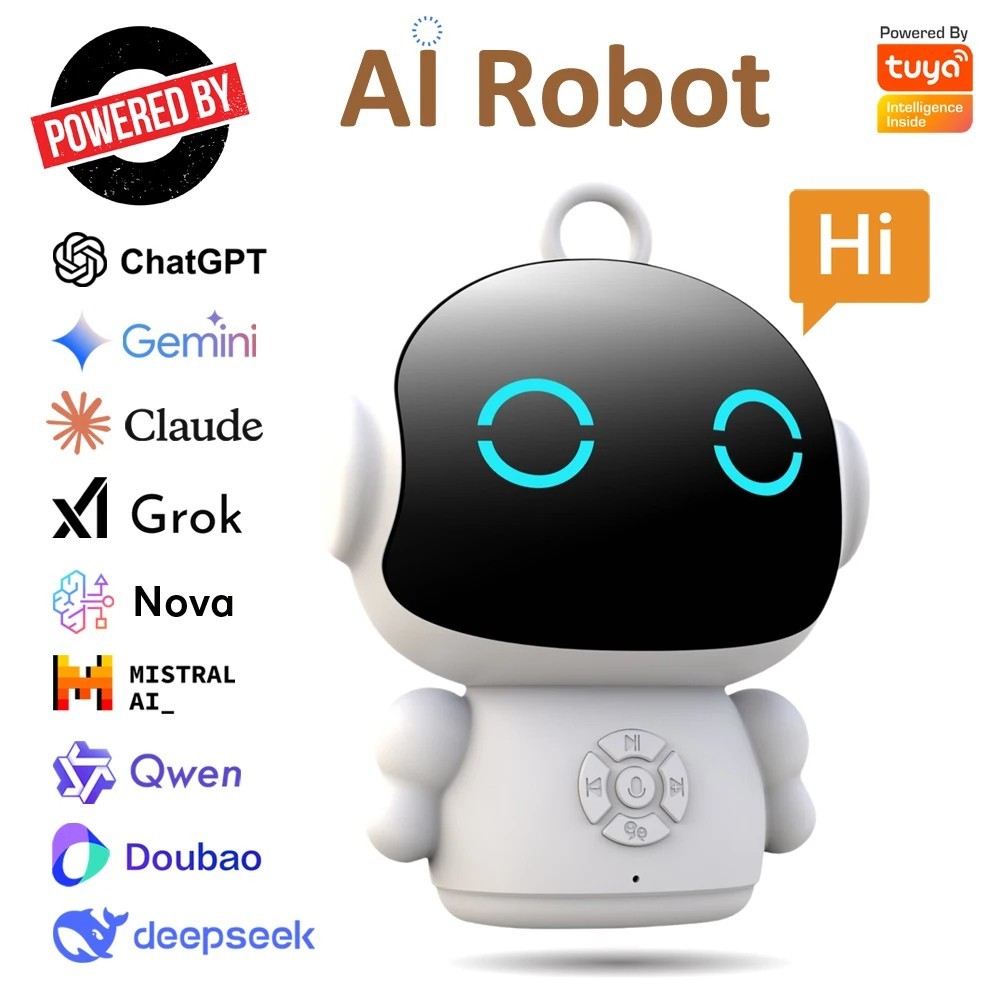
 eBay
eBay
 AliExpress
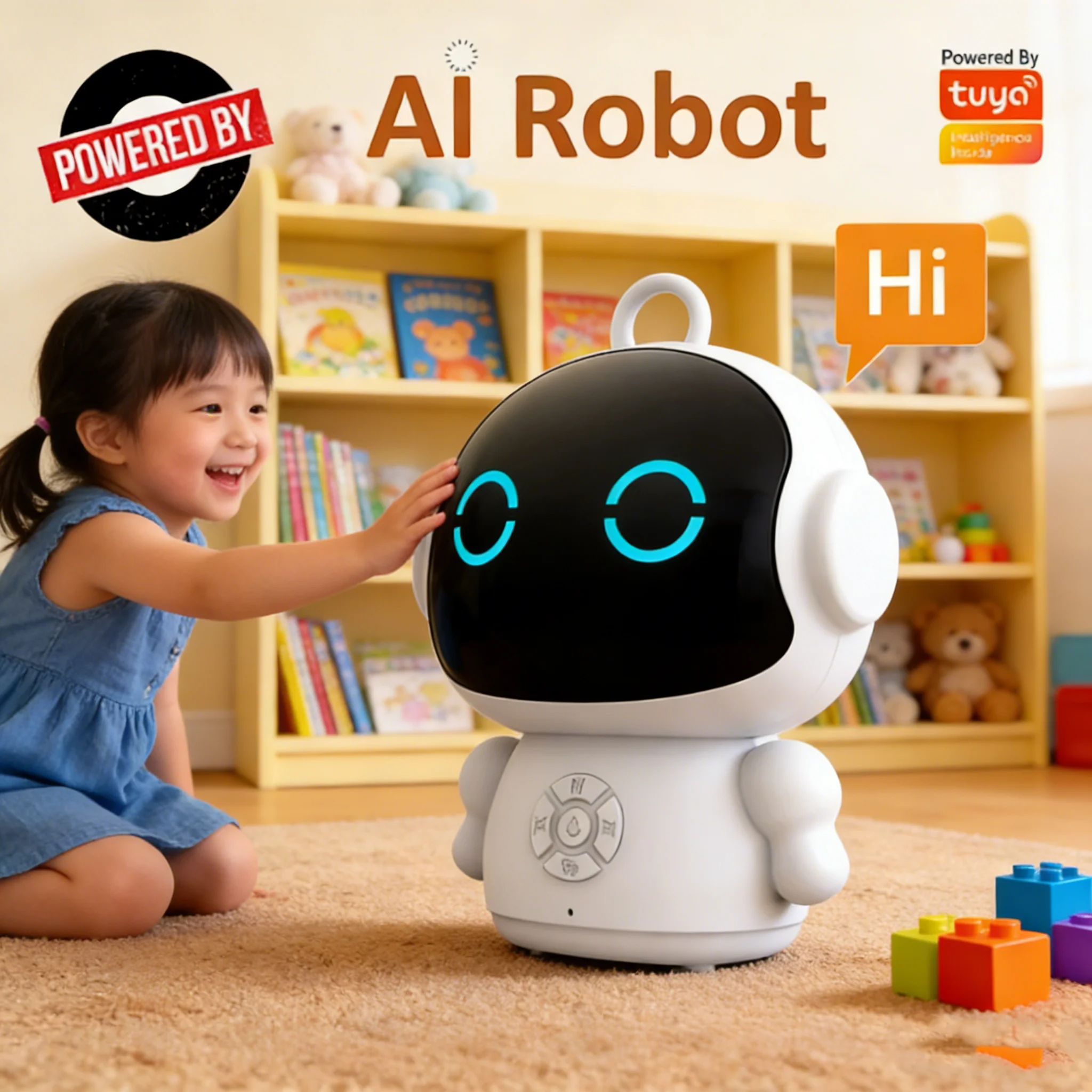 AliExpress